 BACK
BACK
Royal Life Saving Society of WA: Building Water Safety Skills in CaLD and Aboriginal Communities
Royal Life Saving Society WA (RLSSWA) delivered swimming and water safety programs for Culturally and Linguistically Diverse (CaLD) and Aboriginal communities across metropolitan Perth and remote parts of the Kimberley. These communities are overrepresented in drowning statistics and often face barriers to accessing swimming lessons and water safety education.
The program aimed to reduce drowning risk by improving swimming ability, water safety knowledge, and confidence around aquatic environments. Activities included swimming lessons, water safety talks, infant aquatics, first aid training and leadership development. Programs were designed with communities to ensure they were culturally safe, relevant, and accessible.
Note: in addition to the $200,000 Lotterywest grant, this project was also a recipient of a $200,000 Healthway grant.
To support community reconnection and water safety for children in remote and emerging multicultural communities in the Kimberley and Perth.
Royal Life Saving Society of Western Australia
1/1/2023
$550,000
Lotterywest
$200,000
Perth Metropolitan and Kimberley
Aboriginal and Torres Strait Islanders, Young People, Regional and Remote Communities, Culturally and Linguistically Diverse Populations
Across both metro and remote locations, the program delivered broader social benefits, including:
- Increased water safety knowledge and confidence
- Stronger family and community connections
- Improved health and wellbeing
- Greater community leadership
- Strong alignment with a clear and urgent community need: RLSSWA continue to face the challenge that CaLD and Aboriginal communities are overrepresented in drowning statistics locally and nationally. The need to be proactive was evident.
- Collaborative approach with communities and co-designing programs: Culturally tailored programs are essential for engagement and effectiveness. RLSSWA exceeded project outputs due to the collaborative approach used, in partnership with local schools, health educators, and the Multicultural Steering Committee. This resulted in the delivery of inclusive and culturally appropriate lessons and resources, and the integration of programs into local activities.
- Development of community champions to promote water safety: The project enabled RLSSWA to work with, develop and recognise community role models and mentors from CaLD communities and continue to adopt inclusive practices. These champions were able to advocate for the importance of swimming and water safety education within the community.
- Demand continues to exceed available funding: Through this project, RLSSWA has achieved great outcomes. While this project has ended, a big gap remains in terms of the number of people engaged in the Kimberley. RLSSWA is committed to promoting the adoption of inclusive practices throughout WA, and particularly those in regional areas.
- Greater focus on youth programs is needed: Community feedback highlighted the need to expand programs for young people aged 13–18. Many communities expressed concern about risk-taking behaviour and teenagers travelling to water locations without adequate skills. Recent drowning deaths increased fear among parents, particularly those from refugee backgrounds.

Opportunity
Culturally and Linguistically Diverse (CaLD) and Aboriginal people continue to face much higher drowning risk than the broader population. Many families experience barriers such as cost, limited access to pools, cultural safety concerns, and a lack of available instructors. These barriers increased after COVID‑19, when the aquatic industry experienced staff shortages that reduced lesson availability across WA.
Demand for programs continues to grow, shown through waiting lists and population settlement data. Without targeted programs, many people (particularly children) miss out on developing basic swimming and water safety skills.
CaLD Communities and Migrants
Western Australia is home to people from more than 200 countries, speaking around 270 languages and practising over 130 faiths. Perth has one of the highest proportions of overseas‑born residents of any Australian capital. Many new arrivals have little or no swimming experience, and in 2021, 40% of drowning deaths in Western Australia involved people born overseas, despite this group making up only 32.2% of the state’s population [1].
Data also showed that CaLD children were less likely to meet minimum water safety skills. RLSSWA identified three growing CaLD communities with low participation in water safety programs: South Sudanese, Afghan, and Burmese (Myanmar) communities.
“Many new arrivals to Western Australia have poor or non existent swimming and water safety skills. Our research shows a lack of access and participation in swimming and water safety education programs among multicultural communities. ”
Trent Hotchkin - Royal Life Saving WA Senior Manager Education
Aboriginal Communities
RLSSWA research shows Aboriginal children aged 5–14 are 6.8 times more likely to fatally drown than non-Aboriginal children in WA. In regional and remote communities, swimming pools are often the centre of community life, especially where there is limited social infrastructure. Evidence shows that remote pools support:
- Stronger community connection
- Improved school attendance and behaviour
- Better health outcomes, including ear, nose and skin conditions
The remote communities of Kalumburu and Balgo had recently built public swimming pools, which were being managed by RLSSWA. These new community pools offered a great place to deliver water safety education to Aboriginal young people.
Approach
The project delivered culturally tailored water education programs across metropolitan Perth and the Kimberley. Programs were codesigned with communities, schools, and health workers to ensure they met local needs. Key features included:
- Affordable swimming and water safety lessons
- Water safety education sessions
- Infant aquatics and parent programs
- First aid and lifesaving training
- Role-model development
- Gender-specific programs (where needed)
- Cultural awareness training for instructors
- Inclusive lesson plans and teaching guides
The focus was on creating safe and welcoming learning environments and building trust with communities.
Metro CaLD Program
The metropolitan program focused on communities in areas with growing multicultural populations, including the Cities of Swan, Stirling, and Wanneroo. A key strength of the program was the use of trusted community leaders to encourage participation. Community champions helped explain the importance of water safety and promoted programs in culturally appropriate ways.
CaLD communities were consulted, involved, and respected throughout program delivery. RLSSWA also strengthened their community connections through hosting three Multicultural Steering Committee meetings, participation in community events, and ongoing communication through newsletters, radio, and media.
292
CaLD swimming and water safety participants
415
Children attended water safety talks
121
Adults completed first aid training
Kimberley Program
Programs were developed with local schools and health educators to ensure they were culturally appropriate and inclusive. These provided safe spaces for children, youth, and families to learn essential skills. The pools also served as important community hubs.
No School, No Pool - Encouraging School Attendance
The No School, No Pool policy is a proven strategy used in remote communities to support school attendance and positive youth development. By linking access to the community pool with regular school participation, the policy provides a powerful, positive incentive that encourages children to engage in learning. It’s a community-driven approach that strengthens educational outcomes while building lifelong habits around responsibility, health and wellbeing. Delivered in partnership with local schools and community, the policy reinforces that education is vital, while still ensuring that all children can swim, connect and grow in a safe and supportive environment.
Balgo participation
149
Swim and Survive participants
9
Infant aquatics participants
12
Youth Bronze Medallion participants
Kalumburu participation
43
Swim and Survive participants
31
infant aquatics participants
41
Youth Bronze Medallion participants
Impact and Outcomes
Across both metro and remote locations, the program delivered broader social benefits, including:
- Increased water safety knowledge and confidence
- Stronger family and community connections
- Improved health and wellbeing
- Greater community leadership
Metro CaLD program
One of the most significant outcomes for this project was strengthening the relationships RLSSWA has with the multicultural community. The organisation continues to run its Multicultural Steering Committee and consults regularly with this group to ensure their activities are tailored to the needs of these communities. In recognition of this work, RLSSWA received the WA Multicultural Award – Community Organisation in 2022.
The impact of the program on community champions was significant. For example, a leader in the South Sudanese community first joined the program fearful of water and lacking basic skills. Her motivation to learn was driven by concern for her children’s safety. As her confidence grew, she became an advocate for swimming and water safety within her community, particularly in relation to emergency situations.
Building confidence and capability through swimming
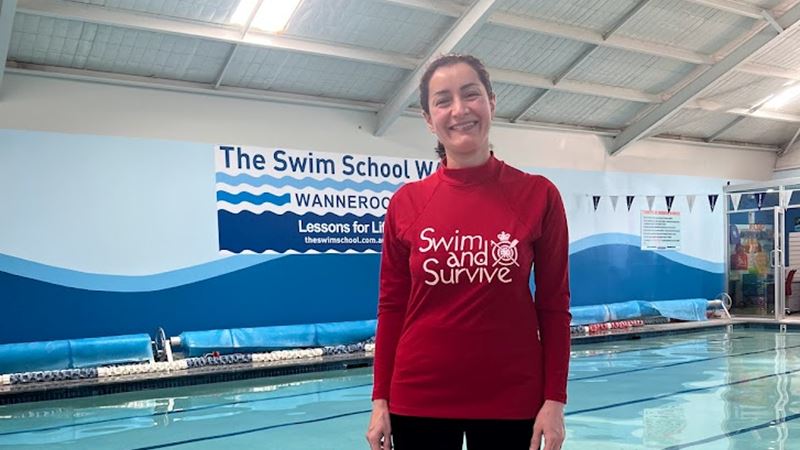
One extraordinary woman, Sahar Al Zadeh, from Perth’s multicultural community has gone the extra mile to support other members in the community in learning how to swim, recently achieving her swimming teacher qualification.
After migrating to Australia less than five years ago, Sahar was eager to begin learning some essential water safety and swimming skills necessary to enjoy WA’s waterways safely. Finding our multicultural women’s only swimming lessons, the young pharmacist quickly discovered a passion for water safety through the support of her peers during her lessons.
As a student swimmer, she found herself translating and assisting the other participants in the program. With the support of Royal Life Saving, Sahar later worked towards completing her own qualification as a swim teacher.
Kimberley program
The following outcomes were identified:
- Increased physical activity among children
- Improved health outcomes, especially ear, nose and throat conditions
- Improved school attendance through the “No School, No Pool” program
- Stronger community connection through shared spaces
Teachers and community members reported clear improvements in children’s swimming ability, fitness, and confidence. Regular lessons also supported safer behaviour around water.
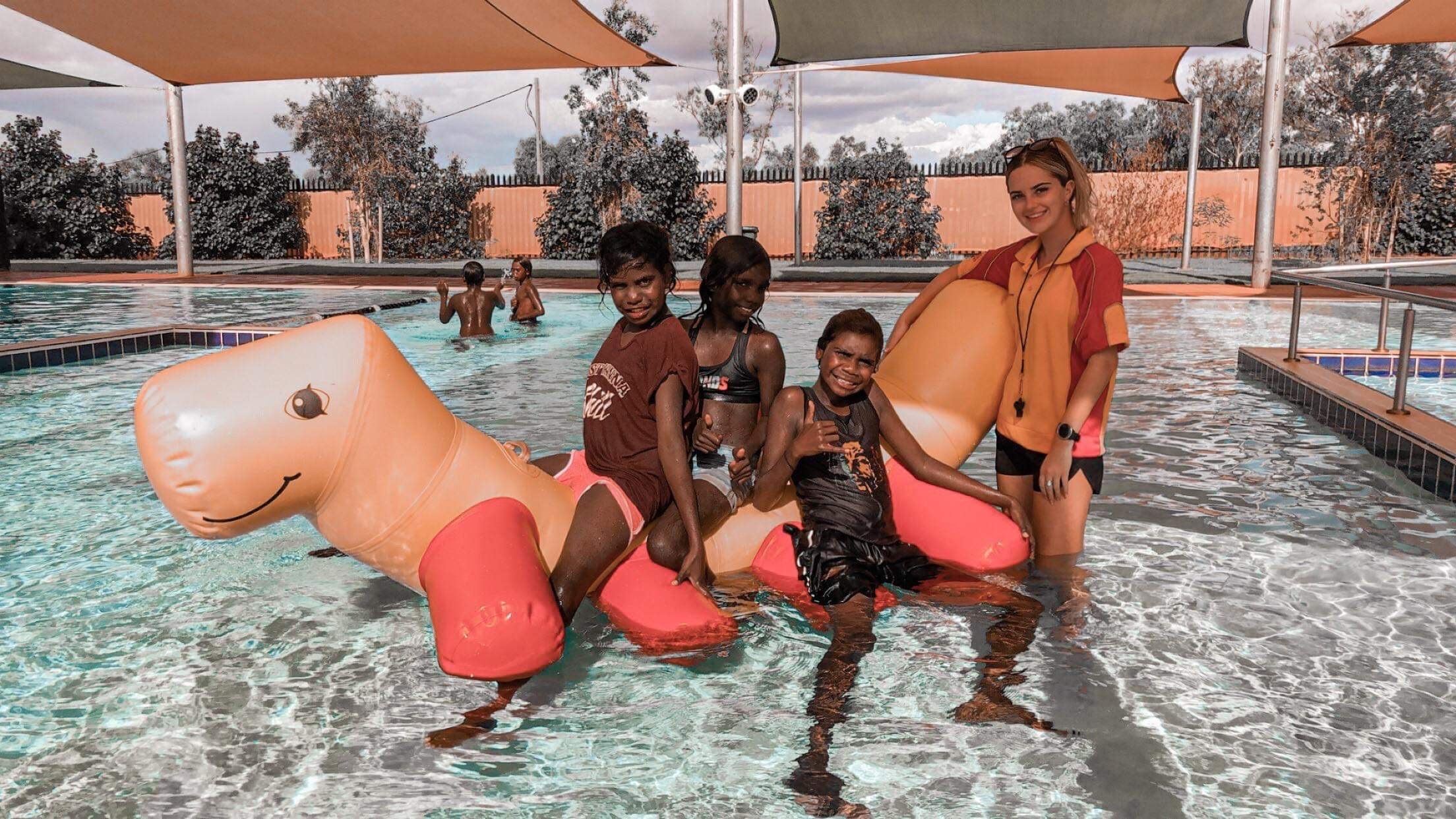
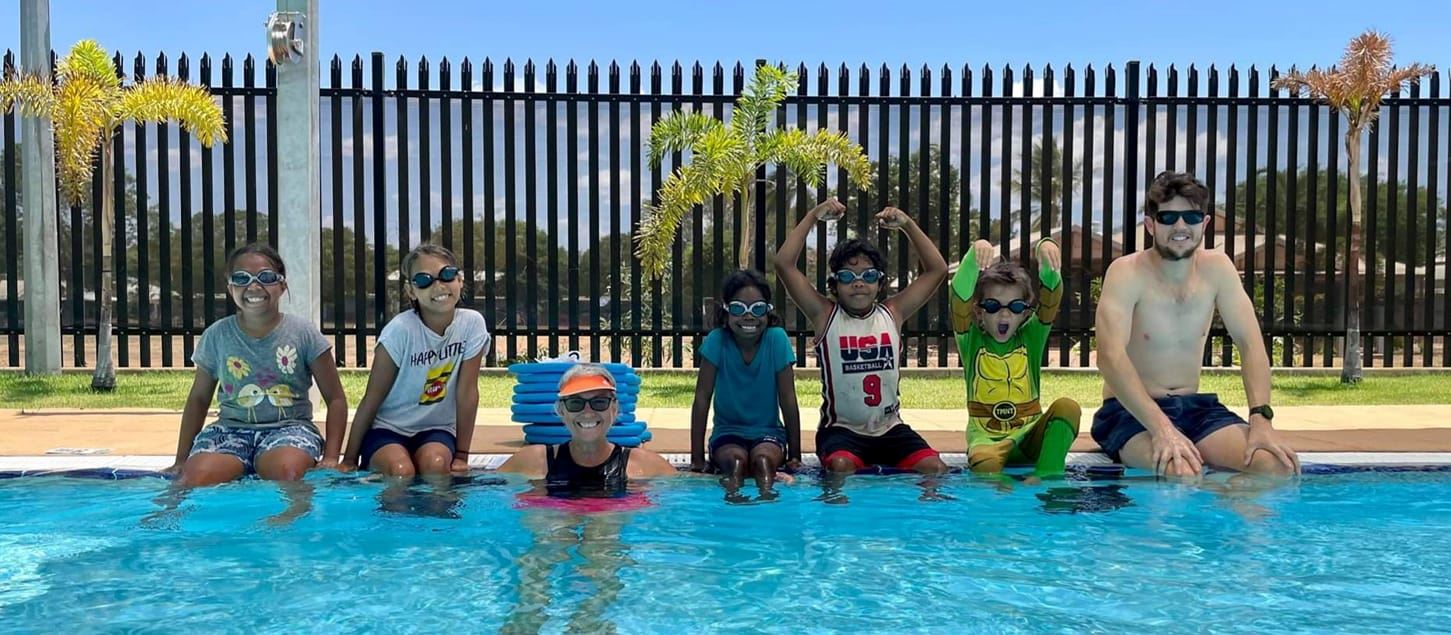
“The kids in Kalumburu live surrounded by water. Many go fishing regularly with their families and spend a lot of time in and by waterways. It is vital that they know how to swim and that they know how to be safe around water. The children love swimming lessons, bar none. They really enjoy their time in the pool and they are very well versed in safety rules. Their fitness and stroke development is improving every week.”
Rachel Drewry - Teacher
Next steps
The project achieved strong outcomes, but gaps remain in other regional, remote, and CaLD communities. RLSSWA continues to promote inclusive practices, expand partnerships, and advocate for sustained investment so more Western Australians can develop essential water safety skills.

Learn about wellbeing
Understand how your community is going to help you to better target and plan your project.

Ready to plan your project?
Understand your vision, plan your impact and report on the outcomes of your project with three easy interactive tools in the Community Impact Planner.
Acknowledgement of Country
Lotterywest and The Western Australian Community Impact Hub proudly acknowledges Traditional Custodians of Country throughout Western Australia and recognises their continuing and cultural connection to the land and waters, families, and community. We pay our respects to all members of the Aboriginal communities and their cultures; and to Elders past and present.